

By Petros Hadjipetrou | Published: June 30, 2026
Reviewed and updated for compliance with the landmark 2026 EU AML Single Rulebook directives, the strict physical presence verification protocols enforced under ATAD III, and the updated BFU fast-track operational substance standards for international companies in Cyprus. (Ref: A4)
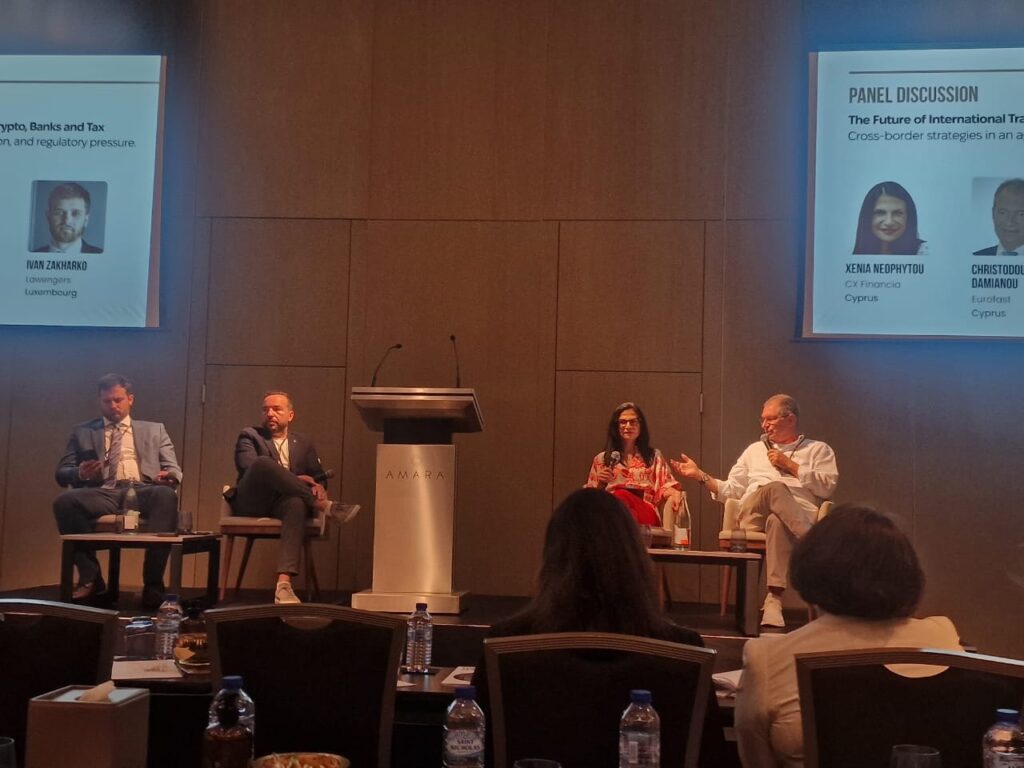
Following intense cross-border regulatory panel briefs at the Intax Private Capital Forum in Limassol, corporate infrastructure requirements for international businesses have reached a critical tipping point. We did not want to rush out a superficial event summary. Over the past weeks, our advisory teams have synthesized the real-world feedback from global fund managers, corporate attorneys, and family offices at the forum to evaluate how current compliance regimes impact corporate operations.
The consensus among international tax authorities is definitive: the traditional model of relying on a shell structure paired with a low-tax jurisdiction is obsolete. Moving into the second half of 2026, private clients and expanding enterprises require sustainable corporate frameworks built around real economic presence, operational agility, and absolute legal transparency. Below, we break down the five foundational elements shaping modern cross border business structuring cyprus frameworks.
Here are the 5 key takeaways from the panel:
1. Substance Over Shell structures
Clients now understand that without economic substance, they risk losing access to tax treaties, banking, and regulatory recognition. Across jurisdictions, real operations—such as staff, premises, and local decision-making—have become non-negotiable. In Cyprus, for example, banks are more likely to approve account openings for companies with payroll, VAT registration, and visible business activity.
Substance Note: True operational substance requires a transition from paper setups to verifiable local operational centers. Setting up a dedicated physical infrastructure protects your legal entity from being classified as a shell company under evolving EU anti-tax avoidance mandates.
2. Banking Access Is the Bottleneck
Even with a compliant structure, many clients struggle to access banking. Traditional banks are cautious, particularly with clients from higher-risk regions or complex structures. Electronic Money Institutions (EMIs) and fintech platforms have stepped in to fill the gap, offering faster onboarding and more flexibility—but not without limits.
A Cyprus-based tech firm, for example, may open an EMI account for operations while still seeking a traditional bank for reserves and credibility with partners.
3. Diversification Over Simplification
Structuring has not become simpler—it’s become smarter. Clients are no longer hiding behind opacity. Instead, they’re spreading risk and access: a holding company in Luxembourg, personal tax residency in Cyprus, and a crypto wallet in Switzerland. The goal is resilience, not just efficiency.
A Latin American HNWI might hold EU assets via a Luxembourg RAIF, manage crypto from a Swiss foundation, and use Cyprus Ltds for operational reach in the EU.

4. Digital Assets Need Legal Wrappers
Tokenized funds, smart contracts, and DAO-style governance are entering the mainstream—but they still require legal frameworks to be effective. In Luxembourg, tokenized RAIFs and smart contract-based fund administration are already being used. Switzerland, on the other hand, supports legally recognised DLT securities and crypto-native structures via foundations.
Cyprus is taking a more cautious route, focusing first on compliance. MiCA is now in effect, and CASP licensing is live, but smart contracts and tokenized shares still lack legal recognition.
5. Global Rules, Local Realities
OECD’s Pillar Two, DAC8, ATAD III, and FATF guidance are pushing jurisdictions toward transparency and global tax alignment. But on-the-ground implementation still varies. For example:
- Luxembourg is preparing a Qualified Domestic Minimum Top-Up Tax (QDMTT)
- Switzerland offers transitional incentives for Pillar Two but enforces DLT law
- Cyprus is tightening substance audits ahead of ATAD III enforcement
What this means for clients is simple: cross-border structuring still offers flexibility—but only when aligned with real compliance, strategic presence, and forward planning.
Strategic Guidance from Our Team
At CX Financia, we support clients in navigating today’s complex regulatory environment—whether you’re setting up an investment fund, establishing a new headquarters, or structuring crypto activities compliantly. Our corporate and regulatory compliance services help ensure your business meets EU requirements such as DAC8, ATAD III, and FATF guidelines, while staying ahead of global tax developments like OECD’s Pillar Two.
Want to discuss your cross-border plans?
Contact our team today to schedule an infrastructure review.
About the Author: Petros Hadjipetrou
Petros Hadjipetrou is CX Financia’s lead Specialist in Corporate Relocation, Headquartering & Regulatory Substance. Holding advanced certifications from CySEC (both Advanced and AML specializations) and working as an HRDA Certified Trainer, Petros specializes in engineering substance-compliant migration frameworks for international corporations, high-skilled tech teams, and high-net-worth individuals relocating to Cyprus.